SPECIALIST SCAR TREATMENTS IN KENT
We Don't Start With a Machine. We Start With Your Scar.
No two scars are exactly the same. A scar may be raised, flat or indented. It may feel tight, hard, itchy, sensitive, painful or numb. It may be red, darker or lighter than the surrounding skin. It may be relatively new or something you have lived with for decades.
At The Skin & Laser Studio, our approach is not to look at a scar and immediately recommend a particular machine or treatment. We start by understanding the scar itself.
With over 33 years of experience working with skin and advanced treatments, Claire has developed a particular focus on scarring and helping people understand why their scar looks, feels and behaves the way it does.
When you come to see us, we consider what caused your scar, how it healed, how it has changed over time, its structure, colour and texture and, most importantly, what concerns you and what you would realistically like to improve.
Our philosophy is simple:
understand the scar first. Treat second.
How We Choose the Right Approach for Your Scar
One of the most common questions we hear is: 'What is the best treatment for my scar?'
There is no single answer because scar treatment is not one-size-fits-all. Before recommending anything, we assess:
The cause of the scar
The age and maturity of the scar
Whether it is raised, flat or indented
Its depth and texture
Redness and vascular changes
Pigmentation or loss of pigment
How the scar feels
Its location on the face or body
Your skin type and pigmentation risk
How your skin normally heals
Any history of hypertrophic or keloid scarring
Previous treatments
Relevant medical history and medication
What you personally want to improve
Only after understanding these factors do we discuss treatment. Sometimes one treatment may be appropriate. Sometimes a staged or combined approach may be considered. Sometimes the safest and most appropriate advice is not to treat.
We do not promise complete scar removal. Our aim is to identify what may realistically be improved and help you make an informed decision.
Our Approach to Scar Treatment
Depending on the scar and your suitability, your treatment plan may involve advanced skin treatments designed to improve particular aspects of scar texture, skin quality or appearance.
Fractional Radiofrequency may be considered for certain scars where collagen remodelling and textural improvement are appropriate goals. Microneedling may be suitable for selected concerns. Other aspects, such as pigmentation or redness, may need to be assessed separately rather than assuming one treatment will address everything.
Where appropriate within our treatment offering, we may also discuss specialist scar or stretch-mark rejuvenation approaches. If a concern falls outside what we can safely or effectively treat, we will recommend appropriate medical assessment or referral.
The treatment is selected for the scar - the scar is not selected for the treatment.
Acne Scar Treatment
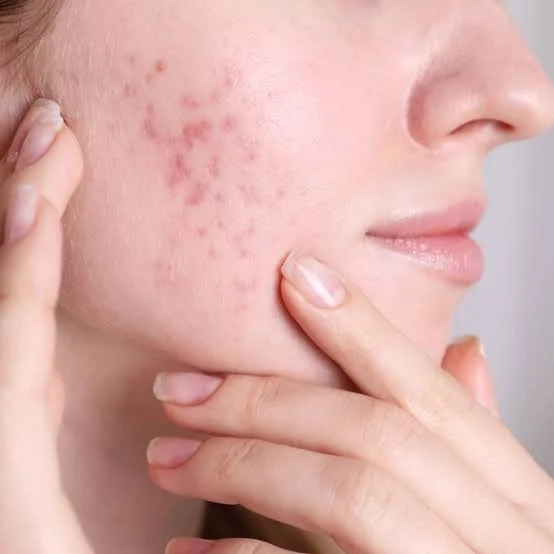
Acne scarring can present as shallow or deep depressions, uneven texture, rolling scars, boxcar scars or narrow ice-pick scars. Some people may also have redness or post-inflammatory pigmentation that makes the scarring appear more noticeable.
Post-acne marks are not always the same as true structural acne scars, and different scar types can require different approaches. Identifying what is present in your skin is therefore the first step.
For suitable clients, treatments designed to encourage collagen remodelling and improve texture may be considered. Our goal is meaningful, realistic improvement in skin texture and quality rather than promising perfect or completely scar-free skin.
Send us a message about your scar and what you'd like to improve.
Claire personally reads every enquiry and will reply to arrange a consultation time that suits you.
Surgical, C-Section & Cosmetic Surgery Scars
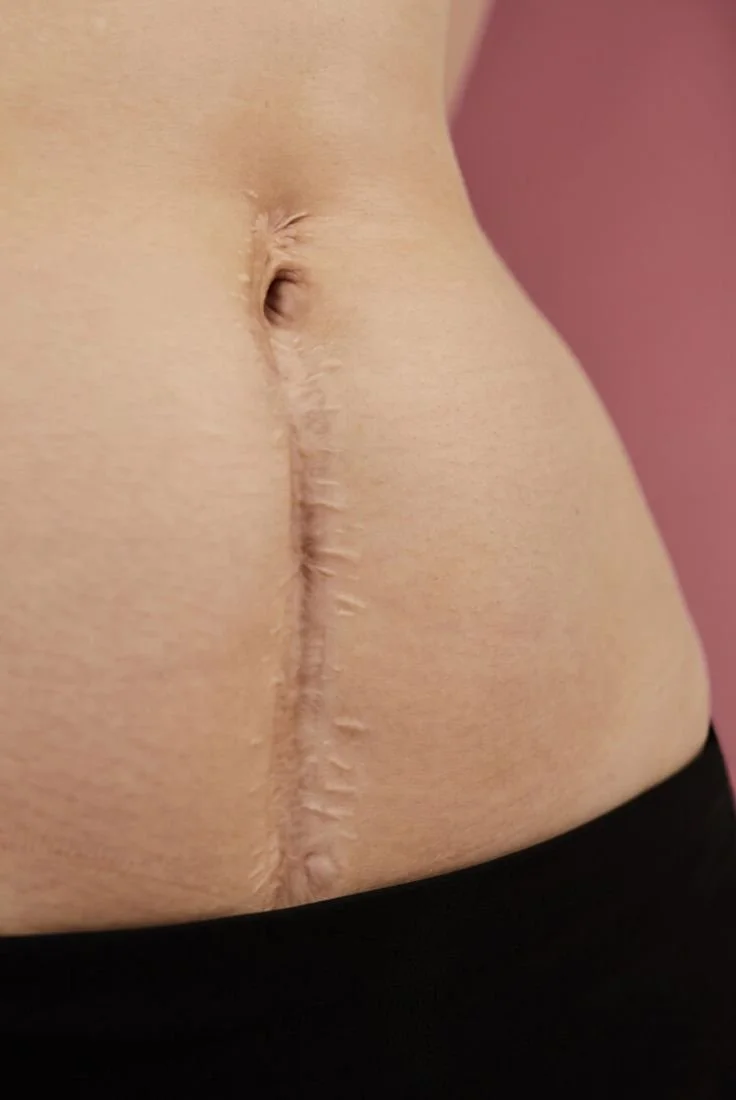
Surgical scars can vary enormously. Some mature into a fine, flat line, while others remain raised, red, pigmented, firm, wide or texturally different from the surrounding skin.
We can assess fully healed scars following medical and cosmetic surgery, including C-sections, abdominal surgery, tummy tucks and breast surgery. Timing is important, particularly with newer scars, and we will not perform advanced aesthetic treatment on an open or incompletely healed wound.
If you remain under the care of your surgeon or medical team, their guidance should also be followed.
Send us a message about your scar and what you'd like to improve.
Claire personally reads every enquiry and will reply to arrange a consultation time that suits you.
Self-Harm Scar Treatment
Seeking advice about self-harm scars can feel incredibly personal. For some people, scars represent a period of their life they no longer want to be reminded of every day. Others may simply want the scars to be less noticeable.
Whatever your reason for coming to see us, you will be treated with dignity, sensitivity and without judgement. You do not need to explain or justify your scars.
We assess fully healed scars and discuss honestly whether there are appropriate options to improve aspects of texture or appearance. Private consultations are available, and there is never any pressure to proceed.
Send us a message about your scar and what you'd like to improve.
Claire personally reads every enquiry and will reply to arrange a consultation time that suits you.
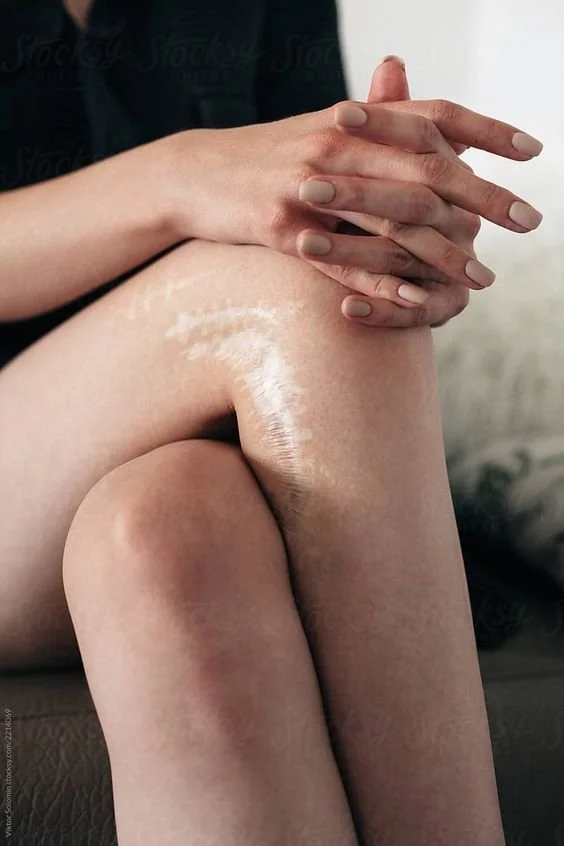
Scars following accidents, cuts, lacerations and childhood injuries can remain visible for many years. An old scar is not automatically 'too old' to assess.
We look at the scar as it is today: its structure, texture, colour, location and what you would like to improve. The original cause is important, but the current characteristics of the scar often guide what may be appropriate.
Injury, Trauma & Childhood Scars
Send us a message about your scar and what you'd like to improve.
Claire personally reads every enquiry and will reply to arrange a consultation time that suits you.
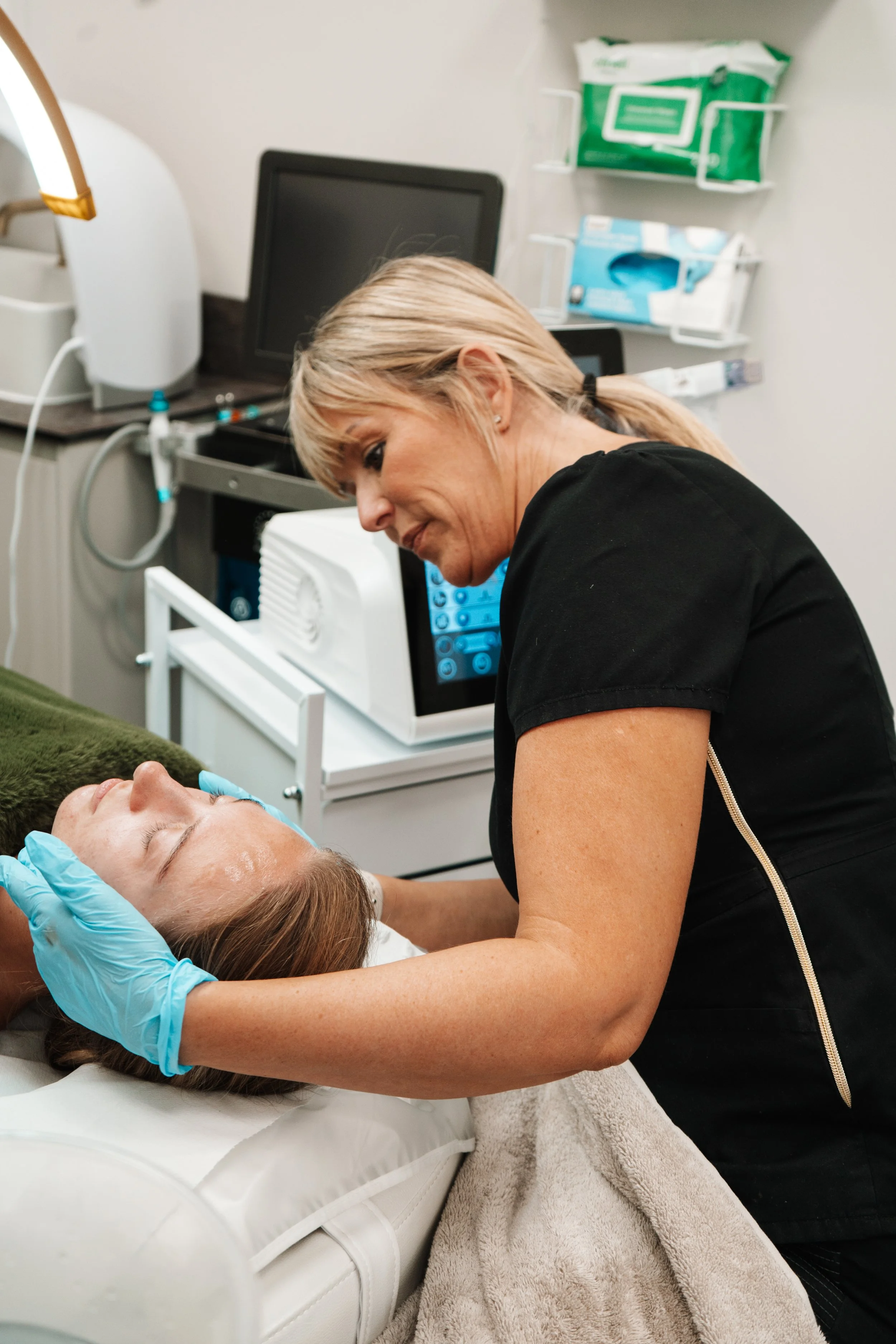
Fractional RF for Scarring
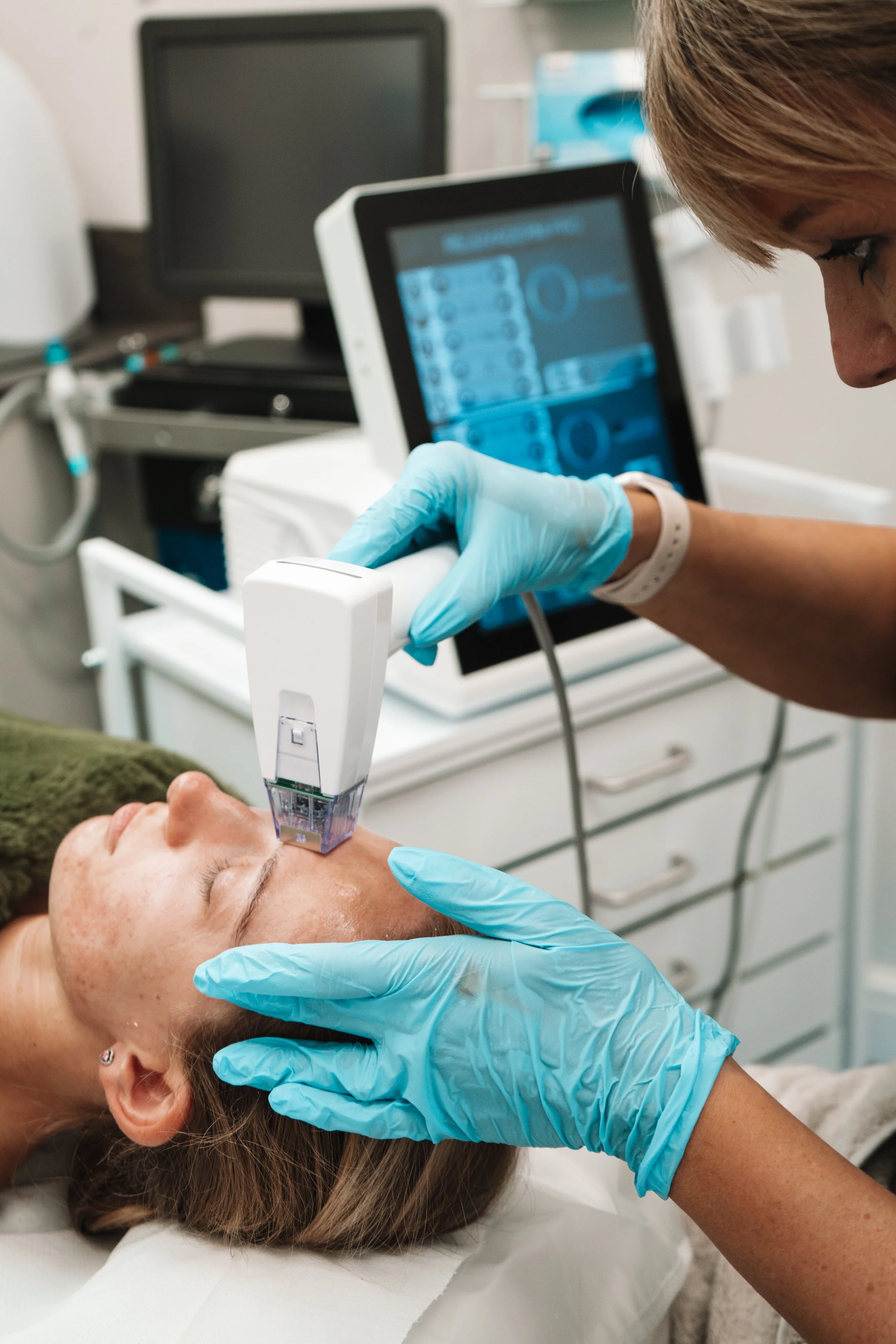
Fractional Radiofrequency, Fractional RF, is one of the technologies we may consider for certain fully healed scars.
It combines fine microneedles with controlled radiofrequency energy to create a targeted healing response within the skin. The aim is to encourage collagen remodelling and, in appropriately selected cases, improve aspects of texture and overall skin quality over time.
Fractional RF is not appropriate for every scar or every skin type. Treatment depth, settings and approach need to be selected carefully. This is why we assess first rather than automatically recommending Fractional RF to everyone with a scar.
Send us a message about your scar and what you'd like to improve.
Claire personally reads every enquiry and will reply to arrange a consultation time that suits you.
Meet your Scar & Burn Specialist
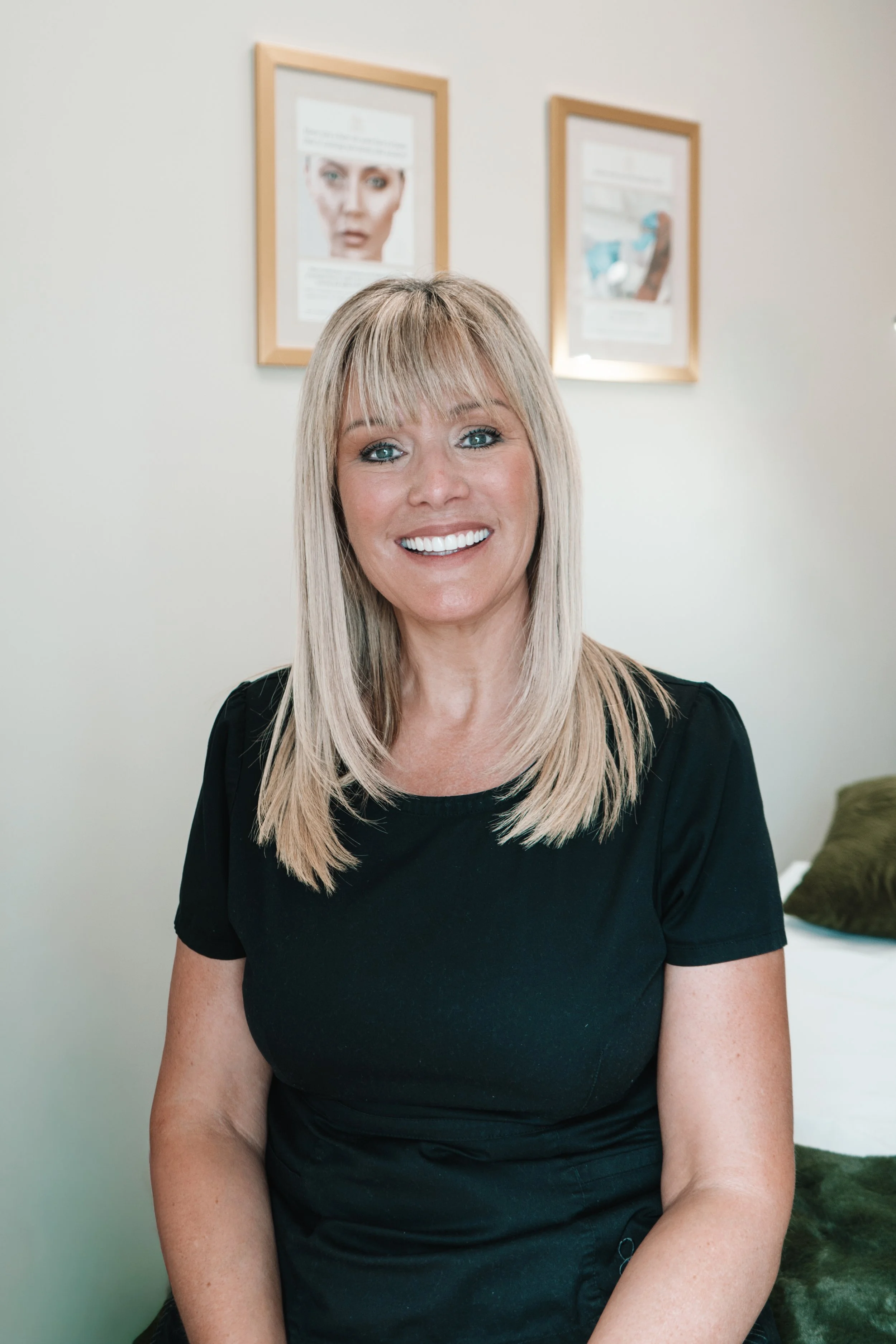
Claire Davis
Owner
Scar & Burn Specialist/Skin Specialist
With over 33 years of experience in the skin and aesthetics industry, Claire is the founder and driving force behind The Skin & Laser Studio, with a particular passion and specialism in scar and burn revision.
Throughout her career, Claire has dedicated herself to understanding skin, how it heals, why it sometimes behaves in unexpected ways, and why a truly personalised approach is so important when treating complex skin concerns and scarring.
Her experience extends far beyond the treatment room. Claire has worked alongside, and been recommended by, leading plastic surgeons, has been involved in judging within the skin and aesthetics industry internationally, and has used her extensive knowledge to design and manufacture professional beauty devices.
Today, her greatest passion lies in helping people living with scars and burns.
Claire understands that a scar can be far more than something visible on the skin. For some people it can affect confidence, comfort, movement or simply act as a daily reminder of something they have experienced.
Her approach begins with understanding.
Rather than offering a one-size-fits-all treatment, Claire looks at the individual scar, how it has healed, how it behaves and the person behind it. Her priority is to provide honest information, realistic expectations and a clear understanding of what options may be available.
After more than three decades working with skin, Claire is also passionate about passing that knowledge on.
As Founder and Clinical Director, she is developing the next generation of specialists within The Skin & Laser Studio, creating treatment protocols and training practitioners to deliver the same skin-first, considered approach that has shaped her own career.
This allows the clinic to combine Claire's decades of knowledge with an experienced specialist team, including advanced laser and tattoo removal expertise, creating a destination for people seeking exceptional care for their skin.
Claire continues to personally work with selected scar and burn clients, a part of her career she remains deeply passionate about, while overseeing the standards, treatment philosophy and future development of The Skin & Laser Studio.
Your Scar Consultation
Your consultation is where we bring everything together. We listen to the history of your scar, assess its visible and physical characteristics, discuss what concerns you most and explain what we believe may realistically be achievable.
We can discuss suitable treatment options, likely number of sessions, treatment intervals, expected downtime, risks, preparation and aftercare. If we do not believe our treatments are appropriate, we will tell you.
Types of Scars & Scar Concerns We Assess
We see clients with a wide range of fully healed scars and scar-related concerns, including:
-
Surgical and post-operative scars, C-section scars, tummy tuck and abdominoplasty scars, breast surgery and other cosmetic surgery scars, scars following medical procedures.
-
Acne scars - including rolling, boxcar and ice-pick scarring, chickenpox scars, and skin-picking or post-acne-picking scars.
-
Injury and trauma scars, scars following accidents, cuts and lacerations, self-harm scars, and childhood scars that have been present for many years.
-
Burn scars and skin-graft-related scarring.
-
Atrophic or indented scars, raised and hypertrophic scars, keloid-prone scarring requiring appropriate assessment or referral, red scars and persistent scar redness, hyperpigmented or darker scars, hypopigmented or lighter scars, and textural irregularities associated with scarring.
-
Scars following mole or skin lesion removal, and fully healed scars following inflammatory skin conditions, where appropriate.
Stretch marks are different from conventional scars, although they also involve structural changes within the skin. If stretch marks are your main concern, we can assess these separately and discuss our dedicated stretch-mark treatment options.
Not every scar is suitable for treatment within an aesthetic skin clinic. If we believe you need assessment by a GP, dermatologist, plastic surgeon, burns service or another healthcare professional, we will advise you.
The treatment is selected for the scar - the scar is not selected for the treatment.
Frequently Asked Questions
Did we miss your question?
Contact our team for more assistance.
-
No reputable treatment should promise complete scar removal. A scar represents a permanent change within the skin, although many scars naturally become less noticeable and suitable treatments may improve particular aspects such as texture, thickness or overall appearance.
-
There is no single best treatment. The appropriate approach depends on the scar type, age, depth, texture, colour, location, skin type and treatment goal. We assess the scar before recommending a treatment.
-
Scars often change significantly as they mature and may become flatter, softer and less noticeable, but they do not usually disappear completely.
-
Scar maturation can continue for many months and sometimes around two years. Every scar heals differently.
-
Some older scars can still be suitable for treatment. Age alone does not decide suitability; we assess the scar as it is today.
-
Not necessarily. Long-established scars may still be assessed. What can realistically be improved depends on the individual scar rather than simply how many years it has been present.
-
Raised scars can occur when excess collagen is produced during healing. This may result in hypertrophic scarring or, in some cases, keloid scarring. These require careful identification and may need different management.
-
Hypertrophic scars generally remain within the boundaries of the original injury. Keloids can extend beyond it. If we suspect true keloid scarring, medical specialist assessment may be more appropriate than aesthetic treatment.
-
Redness can persist during scar maturation. Some scars remain red longer than others. We assess whether redness appears to be part of the scar and whether any treatment is appropriate.
-
Inflammation can trigger excess pigment, particularly in some skin types. Pigmentation is different from structural scar tissue and may require a different treatment approach.
-
White or pale scars may have reduced pigment. Hypopigmentation can be challenging to treat, and we remain realistic about what can be achieved.
-
Scar tissue can feel different from normal skin and may remain itchy, tight, numb, painful or sensitive. Persistent, new or worsening symptoms should be medically assessed.
-
Scar tissue can sometimes feel firm beneath the surface. The cause depends on the original injury and healing. Deep or concerning changes may require medical assessment.
-
Scar massage is sometimes used once wounds are fully healed, depending on the scar and stage of healing. For recent surgical scars, follow your surgeon or healthcare team's advice.
-
Internal adhesions are different from visible skin scars and may require medical or physiotherapy assessment. Our aesthetic treatments focus on appropriate, fully healed external skin scarring.
-
Microneedling may be considered for selected scars. The type and structure of the scar matter more than age alone.
-
Neither is automatically better. Fractional RF combines microneedling with radiofrequency energy and may suit certain treatment goals. We choose the approach according to the scar.
-
Advanced procedures carry potential risks, particularly when treatment is inappropriate. Careful assessment, treatment selection, settings and aftercare are important for reducing risk.
-
Post-inflammatory pigmentation can occur following skin inflammation or treatment. Risk varies by skin type and procedure and is considered during consultation.
-
Treatment does not erase the existence of scar tissue. Improvements can vary, and some raised scar types may behave unpredictably. Expectations are discussed individually.
-
Potentially, yes. Skin type is an important consideration because pigmentation risk can vary. Treatment and settings must be selected carefully.
-
Advanced aesthetic treatment should not be performed on open or incompletely healed wounds. Timing depends on the surgery, healing process and treatment. Follow your surgeon's guidance where applicable.
-
New wounds should be cared for according to medical or surgical advice. Once fully closed and healed, sun protection and, where appropriate, silicone-based products may be considered.
-
Silicone products are commonly used in scar management, particularly for certain raised scars. The best option depends on the location and individual circumstances.
-
Acne scars cannot usually be completely erased, but their appearance may be improved. Rolling, boxcar and ice-pick scars differ, so treatment should be selected accordingly.
-
Some fully healed indented chickenpox scars may be suitable for assessment. Suitability depends on depth, type, location and skin characteristics.
-
Fully healed scars caused by previous skin picking may be assessed. Active picking, open areas or ongoing inflammation need to be addressed before advanced treatment is considered.
-
We can assess fully healed C-section scars. The treatment approach depends on the age, texture, colour and characteristics of the scar.
-
Fully healed cosmetic surgery scars can be assessed. If you remain under your surgeon's care, their guidance should be followed, particularly for newer scars.
-
Some fully healed scars following mole or lesion removal may be suitable for assessment. Any new, changing or medically concerning skin lesion should be assessed medically rather than treated cosmetically.
-
We assess fully healed self-harm scars sensitively and without judgement and, where appropriate, discuss options that may improve aspects of their appearance.
-
Yes. We assess scars on many areas of the face and body. Suitability depends on the scar and its location.
-
Some advanced treatments require careful sun avoidance before and after treatment. Timing depends on the procedure, skin type and lifestyle, and will be discussed during consultation.
-
Fake tan may temporarily alter how colour differences appear but does not treat the scar. Fake tan also needs to be avoided around certain laser or advanced skin treatments, so follow your pre-treatment instructions.
-
Scarred skin can respond differently to UV exposure. Protecting scars from the sun is important, particularly while they are newer or following treatment. We recommend appropriate high-level sun protection.
-
Temperature can temporarily affect circulation and make colour differences in some scars appear more noticeable. Significant or concerning changes should be medically assessed.
-
Hormones can influence skin and healing in complex ways, but a changing scar should not automatically be attributed to hormones. We assess the individual situation and recommend medical review where appropriate.
-
Suitability depends on the treatment. Some advanced aesthetic procedures are postponed during pregnancy and potentially breastfeeding. We assess this individually and follow appropriate treatment guidance.
-
Medication and medical history can affect treatment suitability and healing. A full consultation is required, and in some circumstances medical clearance may be needed.
-
A history of keloid scarring is important and may change whether an aesthetic procedure is appropriate. Always tell us during consultation. We may recommend specialist medical advice.
-
Scar treatment is often a process rather than a one-off treatment. The number and spacing of sessions depend on the scar, treatment and individual response.
-
This varies by treatment, scar and area. We explain what to expect and appropriate comfort measures before treatment.
-
Downtime depends on the procedure and may include temporary redness, swelling, sensitivity or visible healing. You will receive clear preparation and aftercare advice.
-
Cost depends on the scar, treatment required, size of the area and likely treatment plan. Following consultation, we can explain the recommended approach and associated costs before you decide whether to proceed.
-
No. Scar tissue is complex and every person's response differs. We provide an honest assessment, realistic expectations and a carefully considered treatment plan.
Ready to Understand Your Scar?
If you have spent months or years searching online and receiving conflicting advice, the first step does not have to be treatment. It can simply be a conversation.
Bring us your questions. Tell us what concerns you. We will assess your scar, explain what we see and help you understand your options.
No one-size-fits-all treatment plans. No unrealistic promises. Just an individual, professional and honest approach to your skin.
Heres what our clients say

Want To Move Forward With Us?
Please get in touch via your preferred method below or go straight to our booking page by clicking the book now button below.
The Parade 6 Cradlebridge Drive
Ashford
Kent
TN24 0RN
07951 989280
Follow us on Social · Follow Us On Social · Follow us on Social ·
Follow us on Social · Follow Us On Social · Follow us on Social ·
Follow Us on Social